Understanding TreatmentOptions in
Cutaneous Lymphoma
Cutaneous B-Cell Lymphomas
20
21
3
Table4.
TNMSystem forCBCLs
56
TreatmentOptions
The treatment forCBCL is based on the histology (what the cells look like
under themicroscope),where the lesions are located on the body, and the size
andnumber of lesions.
55
Depending on these factors, the types of therapies
can vary from a “watch andwait” approach to surgical removal of the lesion,
intralesional therapy (injections into the lesion), radiation, biologic agents, or
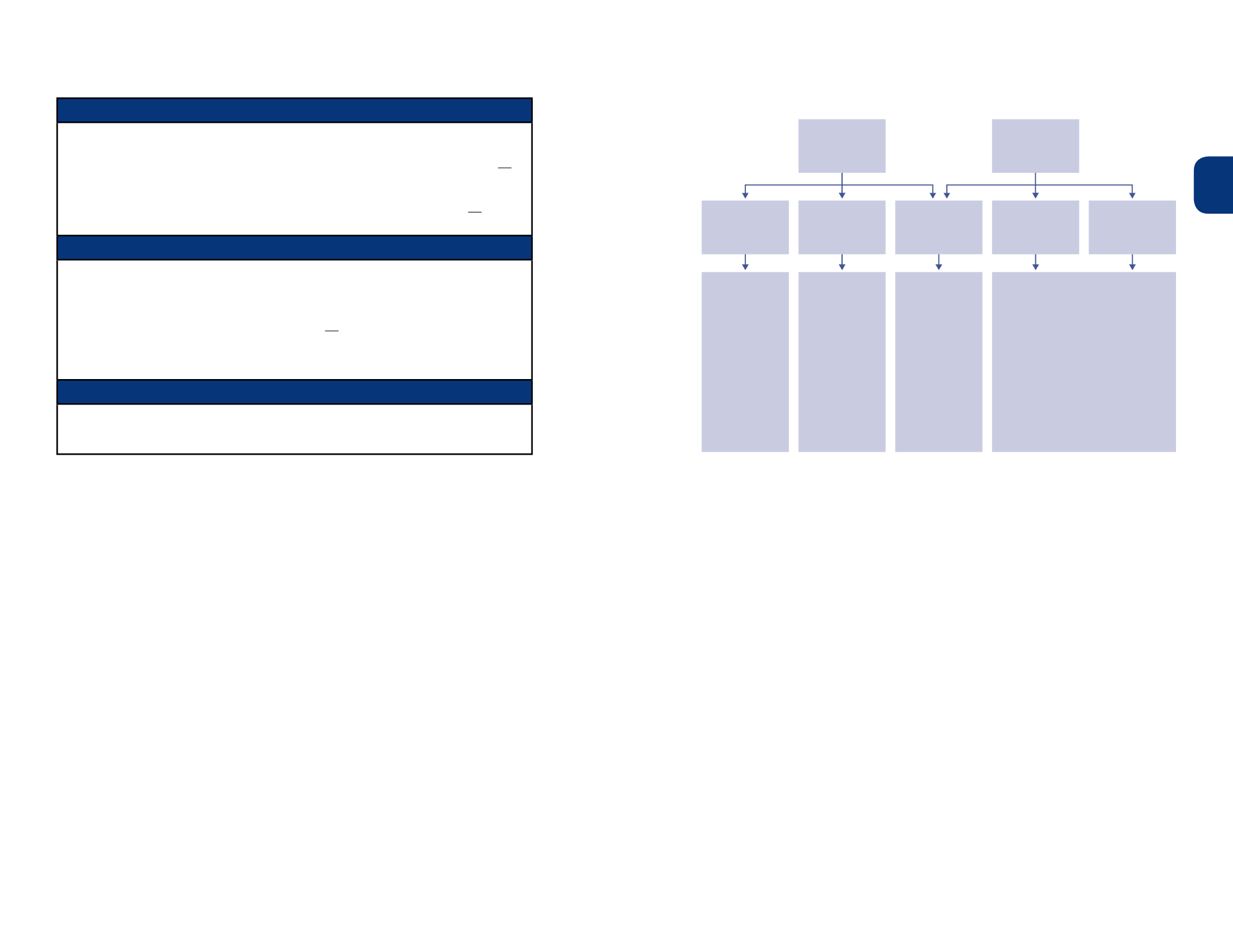
chemotherapy.Treatment options forCBCLs depend onwhich specific slow-
growing or fast-growing disease is diagnosed and theTNM classification of the
disease (
Figure3
).
Figure3.
Treatment ofCBCLs Is Based on theType of Lymphoma andTNM
Classification
55,57
IFN, interferon; IFRT, involvedfield radiotherapy;R-CHOP, rituximab, cyclophosphamide,
hydroxy doxorubicin,Oncovin, andprednisone;R-CVP, rituximab, cyclophosphamide, vincristine,
andprednisone.
Themost commonly used therapies forCBCLs include surgical excision,
radiation therapy, rituximab (Rituxan®), or systemic chemotherapy.The slow-
growing forms ofCBCL often relapse after treatment.
WatchandWait
For patientswithCBCLwho are not experiencing symptoms andwhohave
a low tumor burden, it is often recommended that treatment be reserved for
when symptoms appear.This approach is called “watchful waiting”or “watch
andwait.”Althoughpatients donot initially receive anti-lymphoma treatment,
the lymphoma is not being ignored.By contrast, the patients’ overall health
anddisease aremonitored through regular checkup visits through an active
observation strategy to closely follow the disease.Laboratory and imaging tests
are performed just as often as follow-up evaluations for active treatment would
be.When and if the patient begins todevelop symptoms or there are signs that
the disease is progressing, active treatment is started.
Tumor (T)
T1:
Single sites of skin involvement
T2:
Regional skin involvement,multiple lesions limited to 1 body region
or
2 adjacent body regions
T3:
Generalized skin involvement of 2noncontiguous body regions
or
≥
3 body regions
LymphNode Involvement (N)
N0:
No lymphnode involvement
N1:
Involvement of 1 lymphnode in the area of skin involvement
N2:
Involvement of
≥
2 lymphnode regions
or
any lymphnode not in the
area of skin involvement
N3:
Involvement of central lymphnodes
Metastasis (M)
M0:
No evidence of extracutaneous non-lymphnode disease
M1:
Extracutaneous non-lymphnode disease present
PCMZL or
PCFCL
T1, T2
Solitary/
Regional
T3
Generalized
M1
Extracutaneous
Disease
T1, T2
Solitary/
Regional
T3
Generalized
PCLBCL-LT
•Watchand
wait
• Radiotherapy
• Surgical
excision
• Intralesional
IFNalpha,
rituximab
•Watchand
wait
• Local
radiotherapy
•Chlorambucil
for PCMZL or
R-CVP/CHOP
for PCFCL
• Intravenous
rituximab
Treat as
systemic
low- or
intermediate-
grade
lymphomas
• Systemic treatment with
R-CHOPand IFRT
• Local radiotherapy
• Intravenous rituximab


