Understanding TreatmentOptions in
Cutaneous Lymphoma
10
11
Cutaneous T-Cell Lymphomas
2
therapies.
18
There are also oral forms available (see
SystemicTherapies
onpage
12).Common side effectswith the topical form of bexarotene include redness,
itching,warmth of the skin, swelling, burning, scaling, and other skin irritations.
The treated areas should also be protected fromprolonged exposure to sunlight
or other sources of ultraviolet (UV) light, such as tanning lamps.
Phototherapy
Phototherapy involves the use ofUV light—the same rays that are in sunlight—
to treat the skin.
19
Phototherapy is generally used for patientswithCTCLwho
have lesions classified asT2 (eg, generalizedpatches or plaques, limited to 1 or
2 contiguous body regions).
5
There are several different types of phototherapy,
including 1) psoralen-ultravioletA light (PUVA),which utilizesUVA spectrum
light
19
; 2) broad-band ultraviolet B light (bbUVB),which usesUVB spectrum
light; and 3) narrow-band ultraviolet B light (nbUVB),which also usesUVB
spectrum light.
20,21
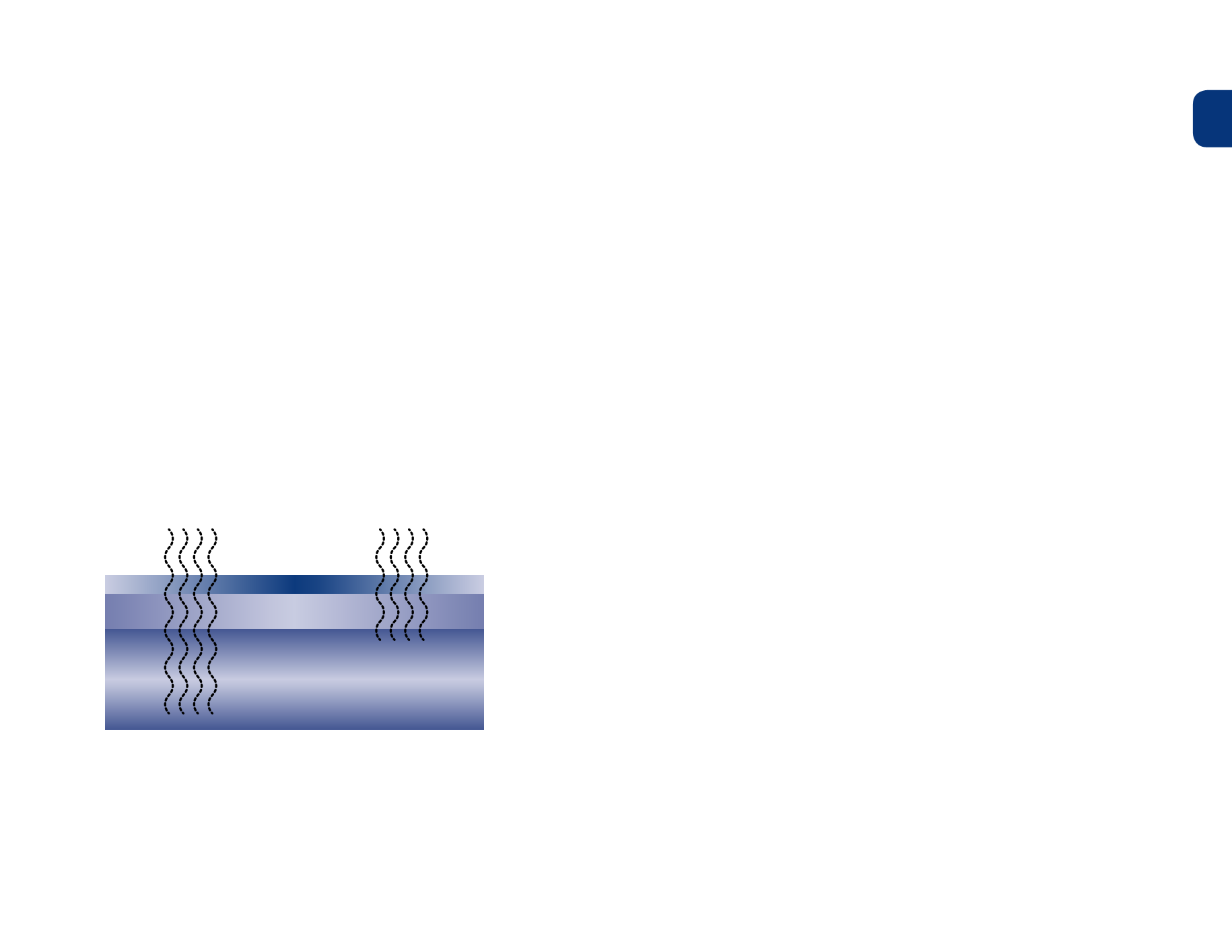
UVA radiation is considered less powerful thanUVB, but
UVApenetrates deeper into the skin thanUVB rays (
Figure2
).UVA andUVB
both causeT cells to self-destruct.
Figure2
. SkinPenetration ofUVA andUVBLight
PUVA
Psoralens are photosensitizing agents found inplants.Methoxsalen (Oxsoralen-
Ultra®) is an example of one of these agents.Psoralen is taken orally prior to
exposure toUV light.Exposure toUV light then causes the ingestedpsoralen to
become toxic to themalignant cells.
PUVAphototherapy is effective in early-stage disease, but it ismost effective
for thicker skin lesions that involve large surface areas.Twenty to 40 treatments
given 2 to 3 times perweek are usually needed to produce clearing. In order
to protect the eyes fromphotosensitive reactions, patients are required towear
UV-protective eye shields for 24hours after each treatment.Oral psoralens
can cause stomach upset in some patients.Long-term complications of PUVA
phototherapy include the development of skin cancers.PUVAphototherapy
may be combinedwith other forms of systemic therapy.
22,23
nbUVBandbbUVB
UVBphototherapy has been shown to be effective in thinner skin lesions
or “patches.”
20,24
Treatments are typically conducted in a dermatology office
with the use of a specially calibrated light box; however, these boxes can be
purchased for treatment at home. Improvement in skin lesions are oftennot
observed until the patient has received approximately 20 to 40 treatments.UVB
phototherapy beginswith small doses of light given 2 to 3 times perweek,
with gradual increases indose over time. Side effects of phototherapy include
sun burn or temporary redness or burning of the skin.Prolongedphototherapy
administration can increase overall skin cancer risk.
Radiation Therapy
Radiation therapy is considered themost effective single treatment for primary
cutaneous lymphoma.
25,26
Advances in radiation therapy have led to the use of
low-energy orthovoltageX-rays and electron beam radiotherapy.Orthovoltage
X-rays can successfully treat recurrent lesions; however, these rayswill also
penetrate anddamage the underlying tissues, such as blood vessels,muscles, and
bonemarrow.Local radiation therapy is typically used for patientswith limited
extent tumors (T3)with orwithout patches and/or plaques.
Total skin electron beam (TSEB) therapy is a type of radiation therapy that
has shownhigh response rates, particularly in early-stage disease.
27-31
Patients
usually receive only oneTSEB treatment.However, repeat treatments after
disease relapse are possiblewhen other therapies have failed.This treatment
penetrates only the superficial portions of the skin, limiting damage to
underlying tissues.This is a complicated treatment that requires a skilled
multidisciplinary team of oncologists, physicists, radiographers, nurses, and
UVA
320-400nm
UVB
290-320nm
StratumCorneum
Epidermis
Dermis


